Demonstration prototype · Qudwatt is a project under development · No investment offer is currently open. Prototype · No investment offer is open.
Qudwatt Invest

Understand where, what and how to analyse before investing.

Investing in infrastructure is not simply a matter of comparing a rate or an investment horizon. You need to understand the asset, its territory, its revenues, its financing structure and the risks that determine its ability to create value over time.

Territory Asset Revenues Structure Risks
Our analytical framework

Qudwatt uses a structured approach to infrastructure: first its economic utility, then asset quality, sponsor strength, cash-flow visibility and finally the investor’s position in the financing structure.

An investment approach

The objective is not to oversimplify risk, but to make it intelligible. Each transaction should be assessed using comparable, documented criteria that are consistent with the project’s industrial reality.

Territories

A rare geographic advantage at Kingdom scale

Reading the territory is already the beginning of the analysis: understanding where assets are deployed, why certain technologies prevail in certain regions and how each infrastructure asset fits into a broader energy system.

From the Strait to the Sahara, from the Atlantic and Mediterranean coasts to the Atlas ranges, Morocco combines natural and topographic conditions of exceptional diversity. This geographic depth makes it possible to distribute assets, diversify uses and connect multiple generation basins to a single energy system.

Geography is not a backdrop: it directly influences the selected technology, expected production, grid-connection requirements, construction costs and sometimes even the type of contract that makes a project financeable.

This territorial reading also explains why infrastructure does not develop in the same way everywhere. Solar naturally has depth inland and in the South; wind benefits from the Atlantic coast; hydropower and storage benefit from elevation; water and industry create new demand hubs. The grid then connects these geographies together.

A territorial view of a sample of infrastructure already in operation

Hovering over the gold points displays the infrastructure name and region. The map below shows an illustrative, non-exhaustive selection only.

Illustrative selection10 interactive markersSolar · Wind · Storage · WaterName + region on hover

This map shows only part of the infrastructure present across the Kingdom. It nevertheless highlights an essential reality: Morocco is already deploying, across several regions, solar, wind, hydropower, industrial and water-related assets, with complementary geographic, industrial and energy rationales.

The purpose is not to catalogue the entire national asset base, but to show how a handful of emblematic infrastructure assets are enough to reveal the scale of the transformation already under way.

Technologies

Morocco can produce at scale, and through almost every major technology

The Kingdom’s strength does not rely on a single resource. It comes from the complementarity of multiple generation and storage technologies and new energy uses.

Resource

Solar

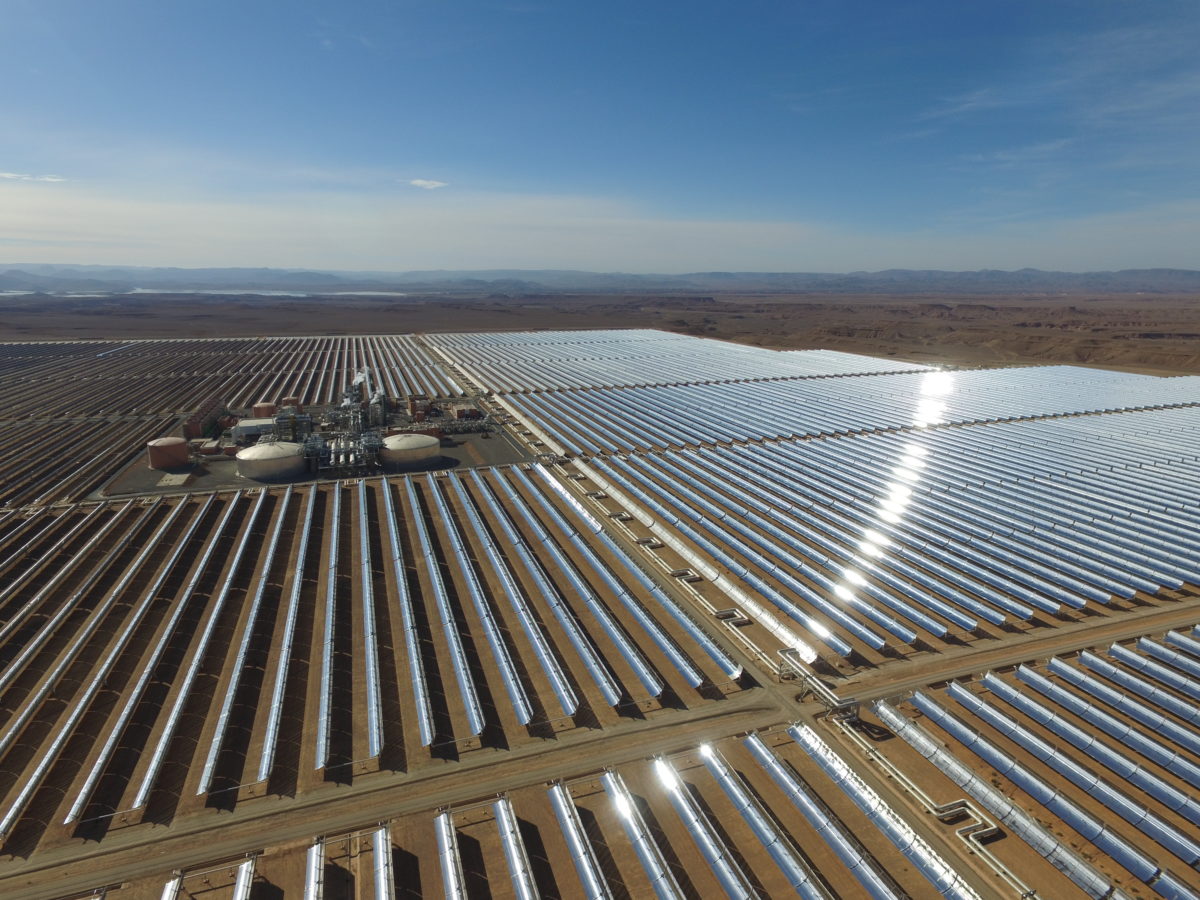
Some of the world’s strongest solar resources, with particularly consistent irradiation inland and in the South. The NOOR Ouarzazate complex demonstrated Morocco’s ability to deliver large-scale projects, from photovoltaics to molten-salt concentrated solar power.

Resource

Wind

The Atlantic coast offers unusually consistent wind regimes, particularly around Tarfaya, Tangier and Essaouira. This consistency improves wind-farm capacity factors and therefore their economics.

Flexibility

Hydropower

The Rif, Middle Atlas and High Atlas ranges host dams and pumped-storage plants — a proven form of storage that can be dispatched within minutes to absorb variations in generation.

Dispatchability

Battery storage

The investment plan provides for 2.6 GW of new capacity. Combined with solar and wind farms, batteries can turn intermittent output into more dispatchable supply.

Use case

Desalination

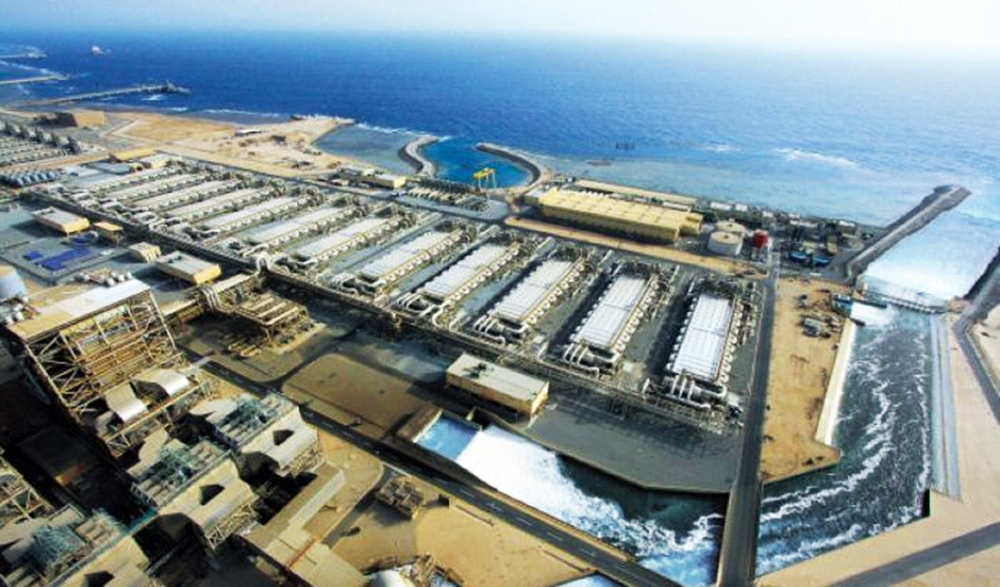
Morocco’s coastline extends for more than three thousand kilometres. Renewable-powered desalination plants respond to water stress while creating new electricity demand that can be planned and contracted.

Outlook

Green hydrogen

The combination of strong solar resources, regular winds, available land and immediate proximity to the European market places the Kingdom among the few credible candidates for exporting green hydrogen and its derivatives.

Agadir desalination

New uses

Water, energy and infrastructure are converging.

Desalination shows how energy technology can also serve a strategic need beyond the electricity sector itself.

Reading an opportunity

Understand the asset and structure before looking at returns.

A well-presented opportunity should quickly answer six questions: what is being financed, who sponsors the project, where the cash flows come from, how the tranche is structured, what the risks are and how the investment fits the investor’s profile.

How to read an opportunity

A simple principle: understand the asset before the return.

01

Asset

Technology, location, size and stage.

02

Sponsor

Experience, ownership and partners.

03

Revenues

PPA, tariffs, market or savings.

04

Structure

Position of the tranche and repayment priority.

05

Risks

Construction, production, counterparties and liquidity.

06

Decision

Instrument, term, amount and suitability for the investor profile.

What the investor should see

ProjectTechnology, location, capacity and stage.
SponsorShareholders, experience and partners.
RevenuesPPA, contract, tariff, market or savings.
FinancingAmount, other financiers and ranking of the tranche.

What is never guaranteed

PrincipalPartial or total loss is possible.
ReturnA target is never a promise.
LiquidityEarly exit may be difficult.
ExecutionDelays, production, costs and counterparties.
Project solaire NOOR Midelt au Maroc

Asset example · NOOR Midelt

An opportunity becomes intelligible when the asset, contracts and financing structure are considered together.

NOOR Midelt illustrates this approach: before looking at a target return, the analysis starts with the project itself — its technology, stage, counterparties, financing and the risks that can affect its cash flows.

Resilience factors

A project can be robust without being guaranteed.

The robustness of infrastructure financing comes from a combination of factors: asset utility, sponsor quality, revenue visibility, due diligence, financing structure and ongoing monitoring.

01

Useful asset

A productive asset addresses a real, identifiable economic need.

02

Visible revenues

Identified contracts or needs make cash flows easier to analyse.

03

Experienced sponsor

The sponsor’s track record, team and financial capacity matter.

04

Layered due diligence

Banks, advisers, insurers and institutional investors add several layers of analysis.

05

Appropriate structure

Senior debt, equity, reserves, insurance and covenants allocate and mitigate risk.

06

Ongoing monitoring

Production, construction, milestones and indicators continue to be monitored after investment.

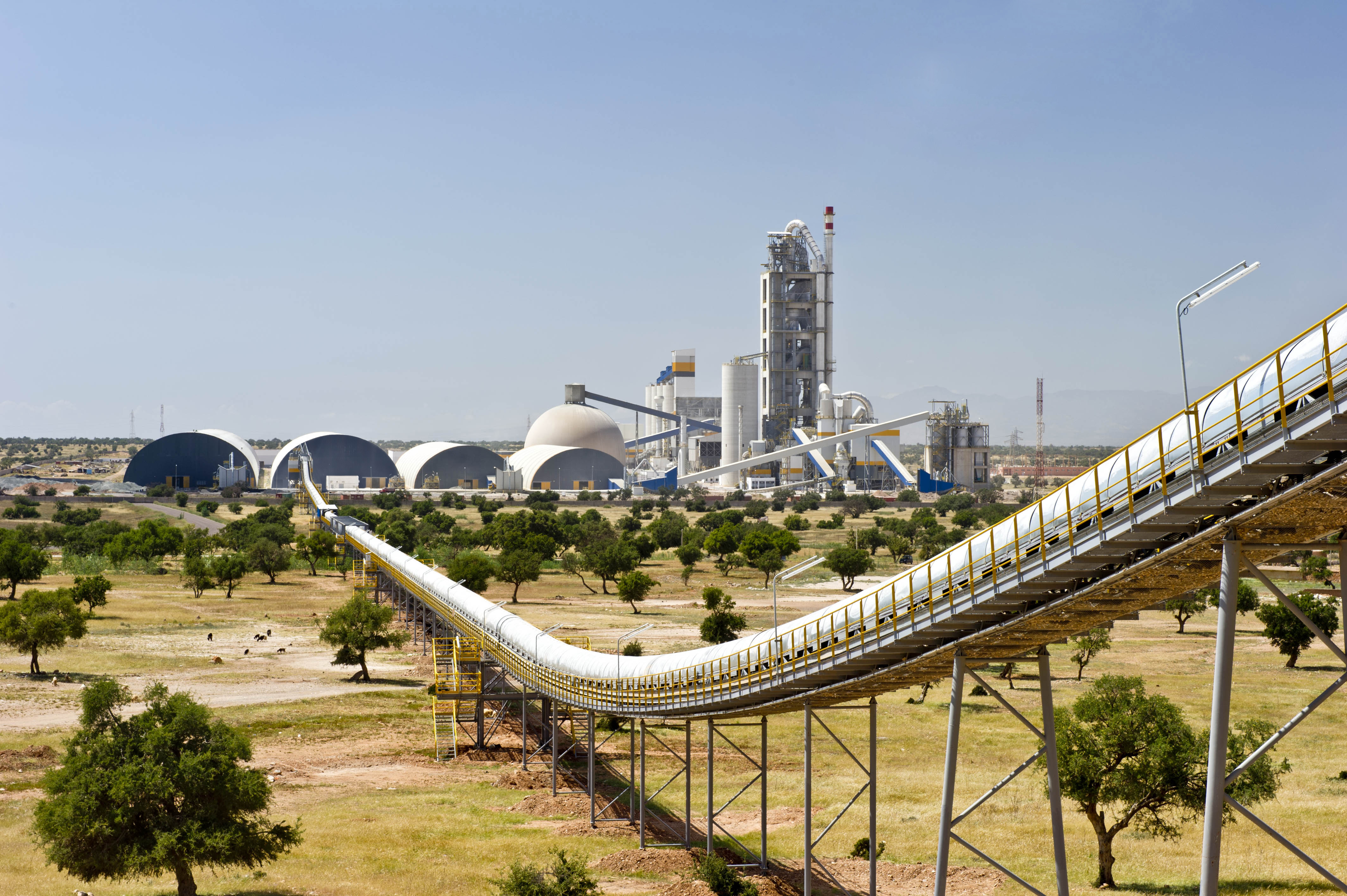
Ait Baha industrial site

Industrial asset · Souss-Massa

Aït Baha: reading resilience through the asset and its use.

An energy asset cannot be analysed in isolation: its industrial utility, contractual environment, sponsor and financing form one integrated investment case.